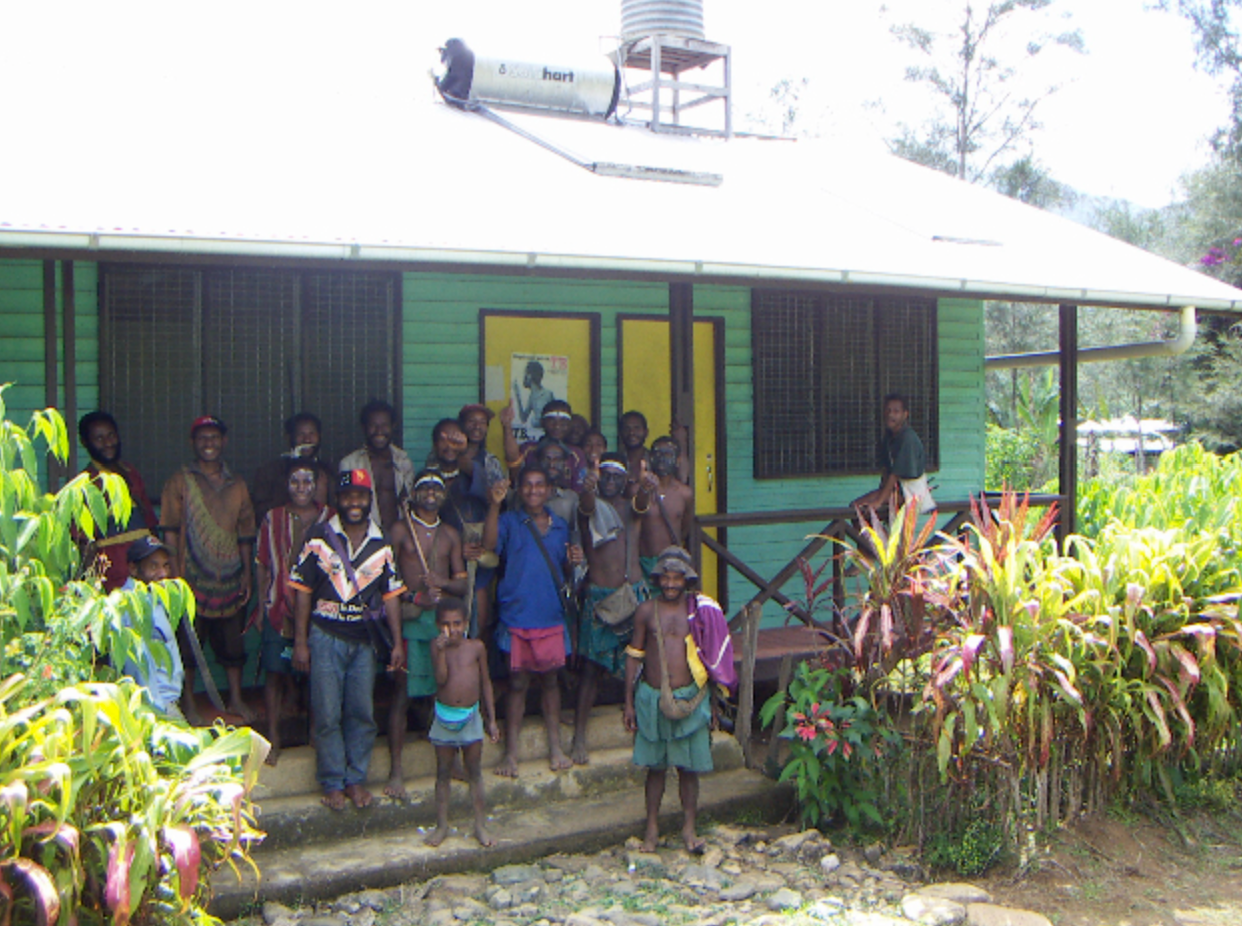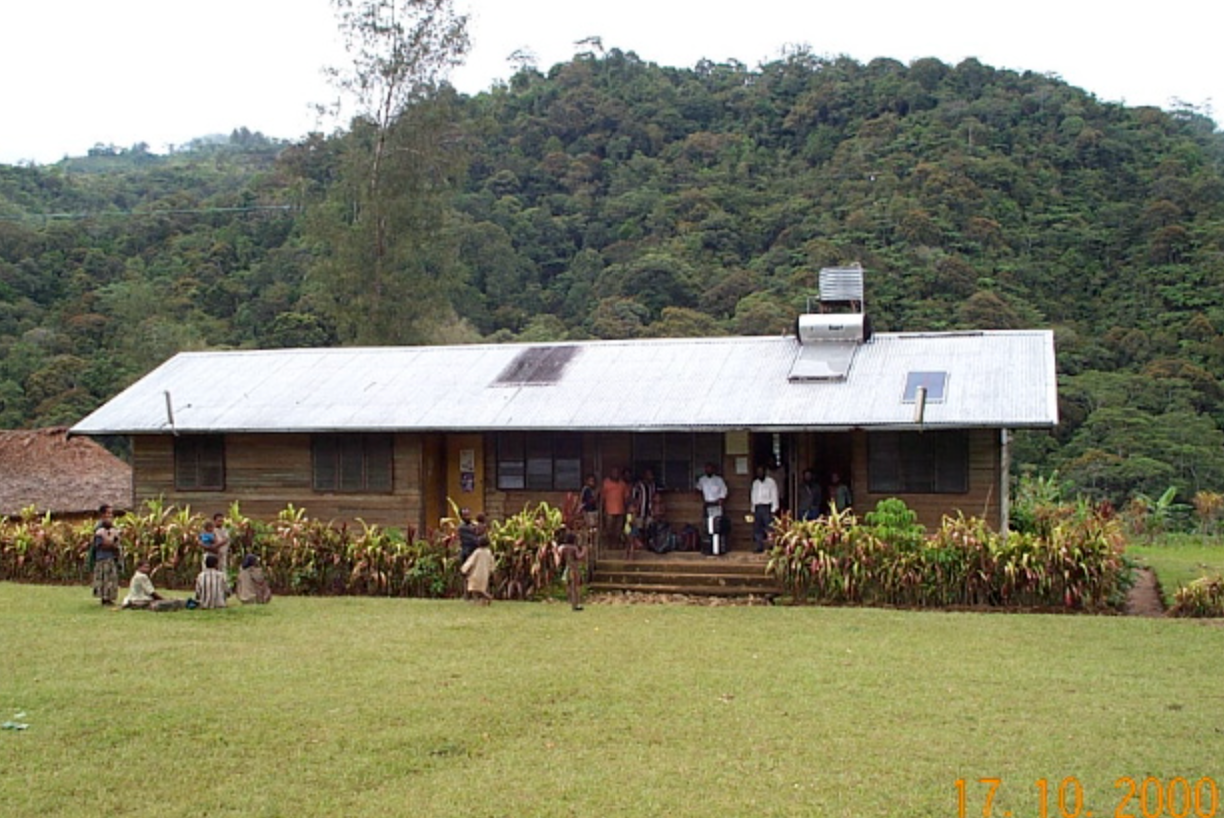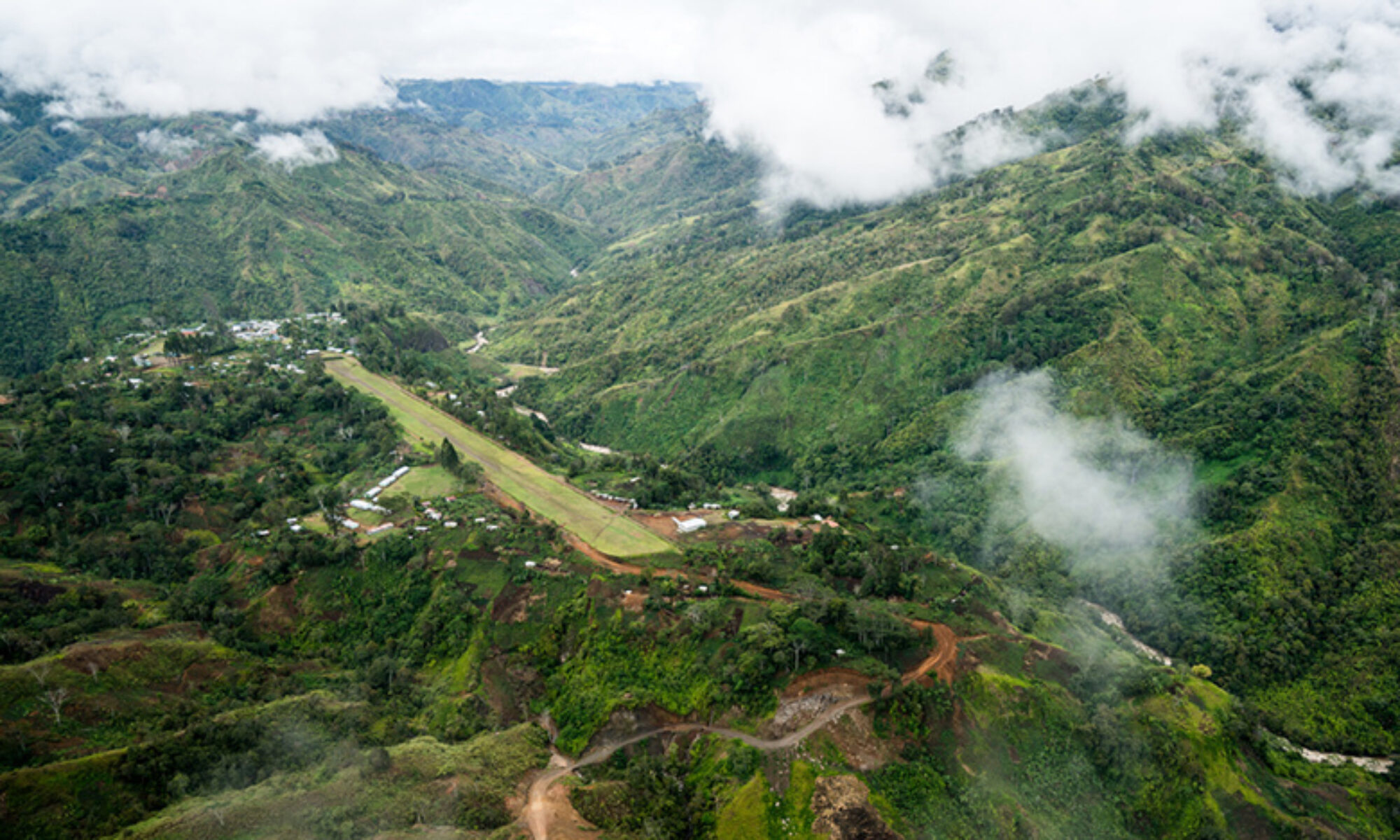

Alagula is located a few hours’ walk to the west of Kompiam. In the past, there was no road or air access, but with support from both the government and the local community, a rough road followed by a bush track now reaches the health center. Despite this improvement, Alagula remains our most inaccessible facility, and these severe access constraints make infrastructure development extremely challenging.
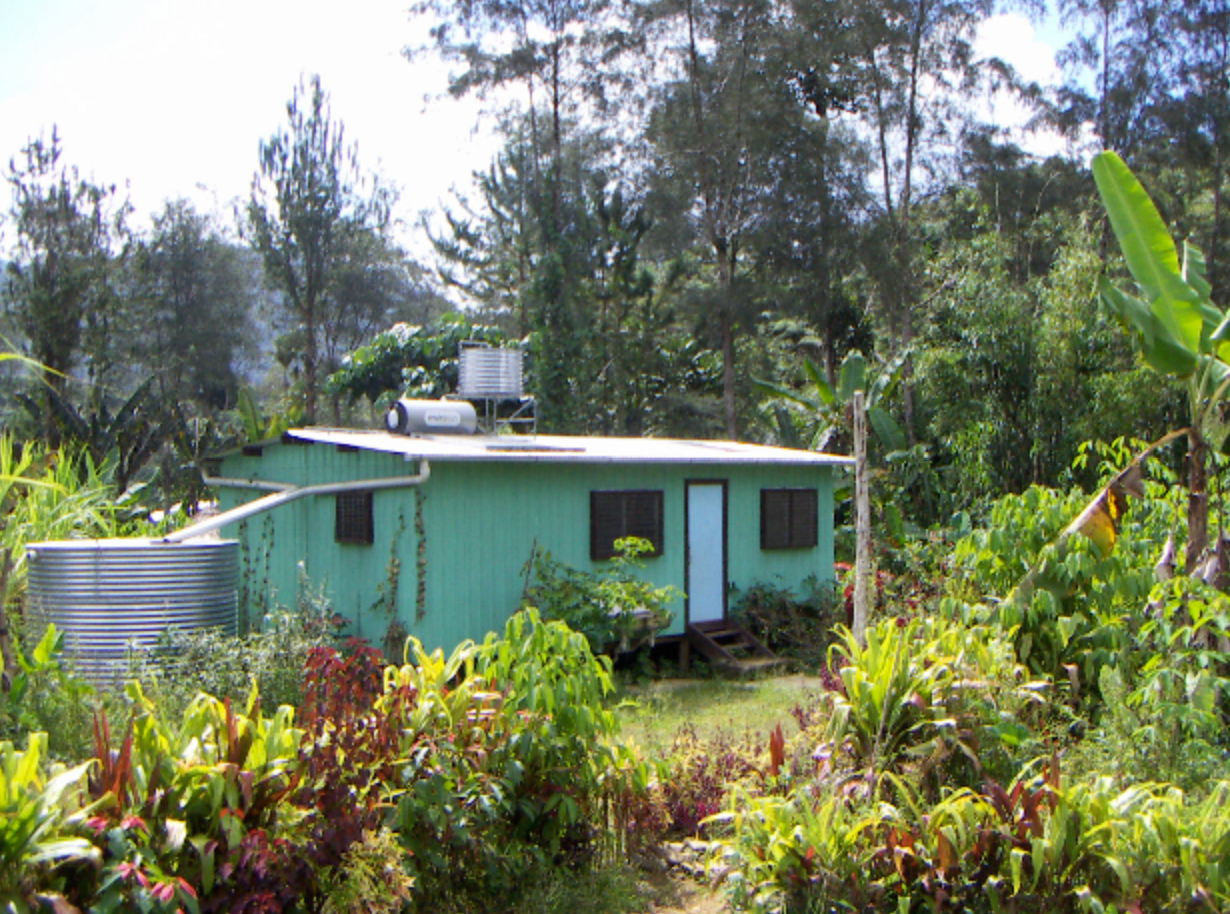
The current health center and two staff houses were originally constructed in the mid-1990s with assistance from Pogera Joint Venture, with all building materials airlifted by helicopter. A refurbishment was carried out in 2006. EBHS later installed a HF radio and solar lighting, but the facility has long struggled with staffing shortages due to its remoteness. A solar-powered vaccine fridge and a more reliable water supply have since been added, improving maternal and child health services.
Common illnesses in Alagula include malaria and malnutrition, and maternal mortality remains very high in this area. All supplies must be carried in by community volunteers. A long history of tribal fighting has made development difficult, although a small primary school continues to operate in a bush-material building.
Alagula is primarily an Enga Provincial Health Authority (EPHA) facility. In previous years, EBHS deployed staff to support services when government staffing was unavailable. The last EBHS staff were stationed there in 2022-2023, but due to staffing shortages, EBHS withdrew and the facility has since been fully under EPHA management. EBHS hopes to eventually redeploy staff to support services when staffing levels allow.
Staffing remains a major challenge alongside ongoing infrastructure maintenance and renovations needs. In 2016, EBHS constructed a footbridge over a large river dividing Alagula from neighboring villages, significantly improving access for surrounding communities.
Alagula remains one of the most difficult yet important health facilities in the region, with ongoing needs in staffing, infrastructure maintenance, and safe access.