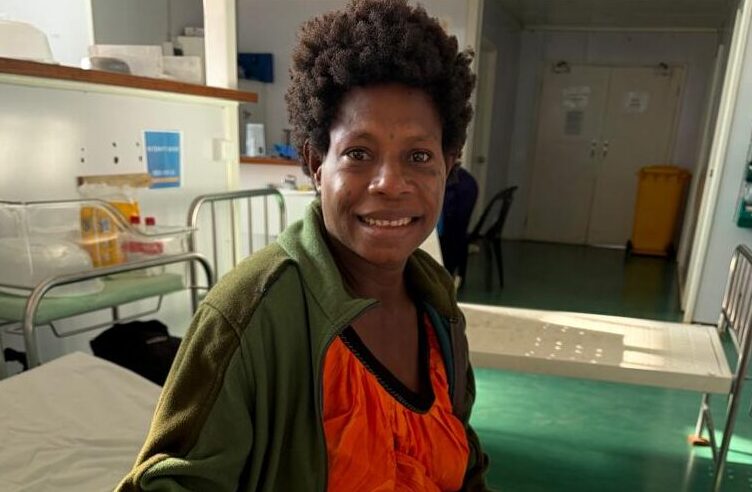
For many women living in remote communities across Papua New Guinea, accessing specialist maternity care can be a difficult journey. For one young mother from East Sepik Province, that journey helped save the lives of her babies.
Twenty-five-year-old Sapaira Jafhit comes from Moinene Village, a remote community accessible only by river. Her village is approximately one hour by canoe from Munduku, one of the rural patrol locations served by Kompiam District Hospital in partnership with Mission Aviation Fellowship (MAF).
During her first pregnancy, when she was around eight months pregnant, Sapaira became concerned that something was not quite right. She felt the baby’s movements mostly on her sides and wondered whether her baby might be lying in an unusual position. Determined to seek help, she travelled approximately three hours by motorboat to Amboin Health Centre. After assessment, the health worker advised that she would need further review at a larger hospital.
For most families in her area, reaching higher-level care is a major challenge. Many must travel by motorboat for an entire day to Angoram before continuing by bus to the main provincial town, Wewak. However, because of Kompiam Hospital’s regular patrols to Munduku, Sapaira’s family knew about our services, and some villagers had previously received care at Kompiam. They made the decision to purchase airfares so Sapaira could travel directly to our hospital for assessment.
Upon arrival at Kompiam District Hospital, Sapaira was referred to the doctors’ clinic, where an ultrasound examination brought unexpected news. She was carrying twins! While the discovery was a joyful surprise, further assessment revealed concerns. During the examination, one twin appeared to have a lower heart rate than the other. To gain more information, our team performed a cardiotocography (CTG) test.
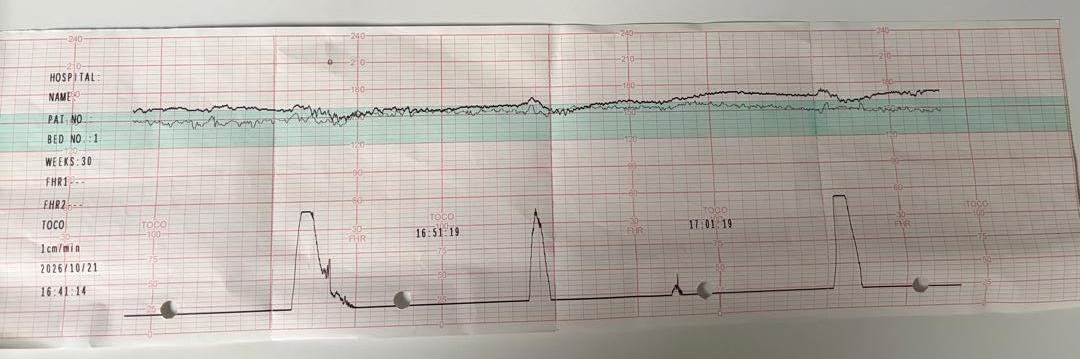
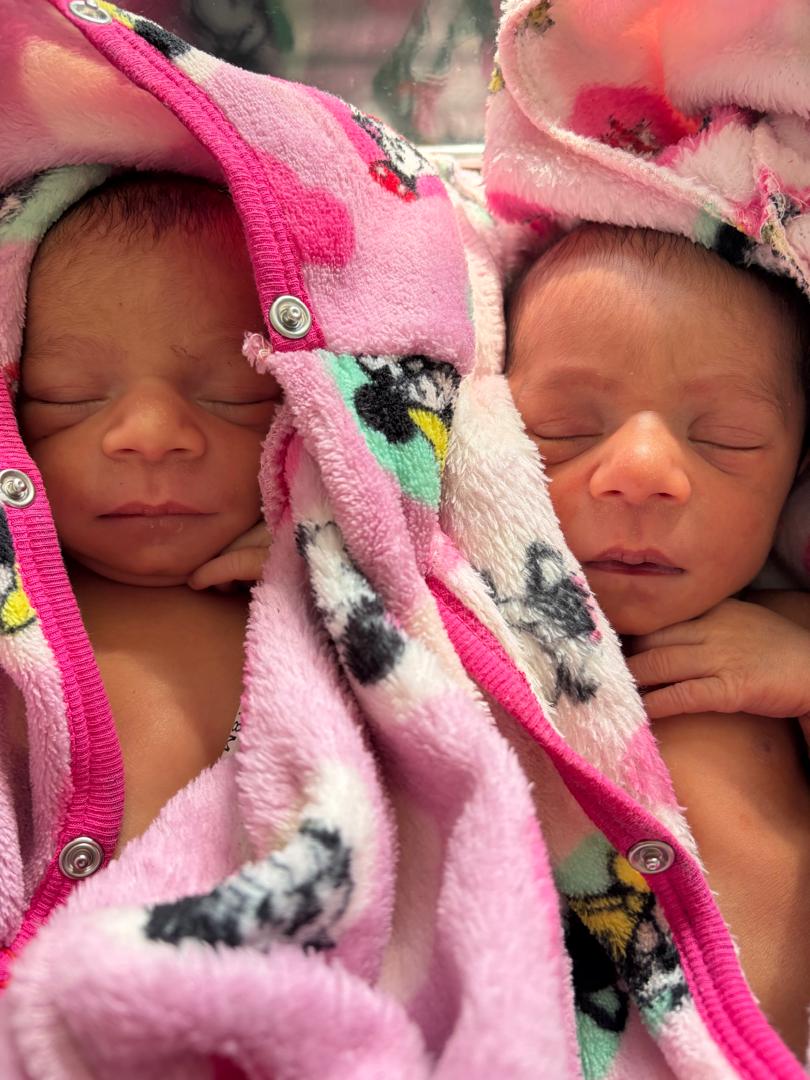
A CTG records a baby’s heartbeat over time and helps doctors determine whether a baby is comfortable in the womb or showing signs of distress. Sapaira’s CTG suggested that one of the twins may have been experiencing fetal distress. Our clinical team carefully reviewed all available information and considered the risks. There was concern that continuing toward a normal labour could place one or both babies at significant risk. Based on the findings, the decision was made to perform an elective Caesarean section. The operation proceeded smoothly, and we are delighted to report that both babies were delivered safely and are doing well, along with their mother.
Before discharge, Sapaira received counselling and education regarding future pregnancies, including the importance of early antenatal care and close monitoring because she now has a uterine scar from her Caesarean section.
Stories like Sapaira’s remind us of the importance of accessible healthcare, skilled health workers, appropriate equipment, and timely decision-making. We are grateful to have dedicated staff, modern diagnostic tools, and the opportunity to provide care that helps mothers and babies have the best possible outcomes. Above all, we thank God for His guidance, wisdom, and protection. Sapaira was fortunate. Her family was able to afford the boat travel to Amboin Health Centre. A health worker was present to recognize the need for referral. Her family also had the resources to pay for air travel to Kompiam.
Many women in remote communities face similar risks during pregnancy but do not have the same opportunities to reach higher-level care. Their stories remind us why rural patrols, community awareness, antenatal care, and strong partnerships remain so important. Today, we celebrate with Sapaira and her family as they begin life with their two healthy newborns, and we wish them every blessing for the future.
No responses yet